
The Best Grasses and Forage for KuneKune Pastures
KuneKunes thrive on pasture, but not all pastures are equal. What to plant, what to avoid, and how to build forage that feeds your pigs and your soil.

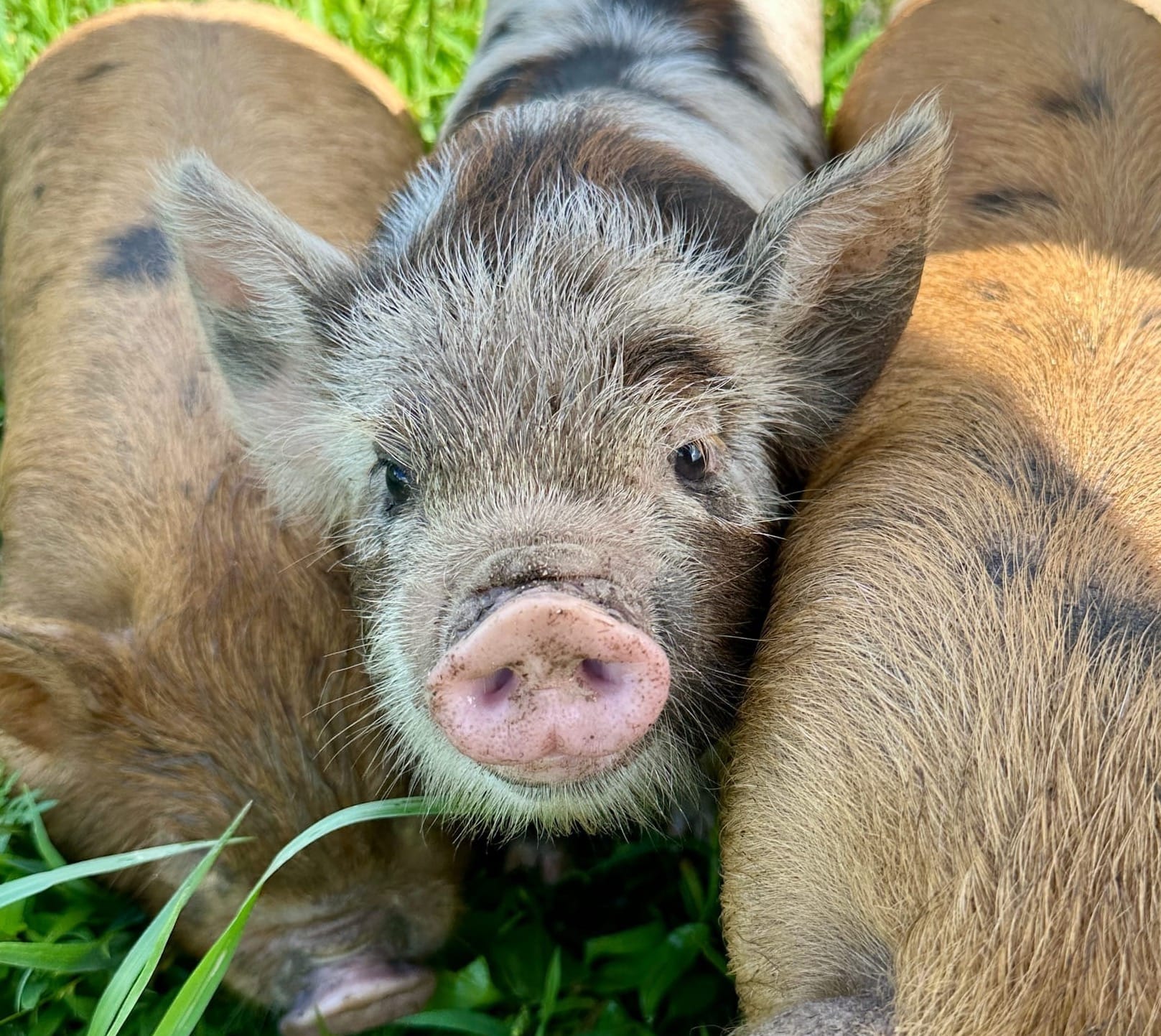
KuneKunes are grazing pigs — it's one of the breed's defining characteristics. Unlike commercial pig breeds that rely heavily on grain, KuneKunes can derive a significant portion of their nutrition from pasture. But not all pastures are created equal. The right mix of grasses, legumes, and forbs can reduce your feed bill, improve your pigs' health, and keep your land productive for years to come.
Here's what we've learned about building and maintaining KuneKune pastures in Wisconsin, along with some principles that apply no matter where you're farming.
Start With a Soil Test
Before you plant anything, test your soil. This isn't optional, it's the foundation of everything else. A soil test tells you your pH, nutrient levels, and what amendments you need to create an environment where your forage will actually thrive.
Contact your local County Extension office or Soil and Water Conservation District. Many offer free or low-cost testing. You'll get a report showing nitrogen, phosphorus, potassium, calcium, and other key metrics, along with recommendations for lime or fertilizer if needed.
Skipping this step is like building a house without checking the foundation. You can plant the best seed in the world, but if your soil pH is off or you're missing key nutrients, you'll be disappointed with the results.
Our Go-To Forage: Clover and Ryegrass
If we had to recommend just two things for a KuneKune pasture, it would be clover and ryegrass. Here's why:
Clover
Clover is a legume, which means it does something almost magical: it pulls nitrogen from the atmosphere and fixes it in the soil through its root nodules. This free fertilizer benefits everything else growing around it. White clover, red clover, alsike clover — they all work! White clover is particularly resilient and spreads well, filling in gaps and tolerating grazing pressure.
Beyond the soil benefits, clover is highly palatable and nutritious for pigs. It's high in protein compared to grasses, which supports growth and overall health.
Ryegrass
Ryegrass (both annual and perennial varieties) establishes quickly, tolerates grazing well, and grows in a wide range of conditions. It's one of the most forgiving grasses you can plant. Perennial ryegrass comes back year after year; annual ryegrass germinates fast and can fill in bare spots quickly.
The combination of clover and ryegrass gives you a resilient, self-improving pasture. The clover fixes nitrogen, the ryegrass provides bulk, and together they handle the wear and tear of pig traffic better than most alternatives.
Other Grasses Worth Considering
While clover and ryegrass are our foundation, diversity in your pasture is a good thing. Different plants peak at different times of the season, tolerate different conditions, and provide varied nutrition. Here are some other options:
Orchardgrass: A cool-season bunch grass that establishes well, tolerates shade, and holds up to grazing. It's drought-tolerant once established and pairs well with clover.
Timothy: A classic pasture and hay grass, winter-hardy and palatable. It's a bit slower to establish than ryegrass but persists well in northern climates.
Kentucky Bluegrass: Does well in cooler regions and creates a dense sod. It's slower to establish but very persistent once it takes hold.
Fescue: Hardy and drought-tolerant, but be careful here — some fescue varieties contain endophytes that can cause health issues in livestock. If you plant fescue, look for "endophyte-free" or "novel endophyte" varieties specifically bred for livestock pastures.
Don't Forget the Legumes
Beyond clover, other legumes can add value to your pasture:
Alfalfa: High in protein and minerals, deep-rooted, and drought-tolerant. It's more demanding of soil conditions (needs good drainage and neutral to slightly alkaline pH) but worth it if your land supports it.
Birdsfoot Trefoil: A non-bloating legume that tolerates poor drainage and acidic soils better than alfalfa. It's slower to establish but persistent.
Field Peas: An annual option that adds nitrogen and provides forage. Good for overseeding or as part of a diverse mix.
The beauty of legumes is that they feed your soil while feeding your pigs. That nitrogen fixation reduces your need for synthetic fertilizers and builds long-term soil health.
Forbs Your Pigs Will Love
Forbs are broad-leaved plants that aren't grasses or legumes. Some of what you might consider "weeds" are actually valuable forage:
Chicory: Deep-rooted, drought-tolerant, and mineral-rich. Pigs love it, and it's often included in high-quality pasture mixes.
Plantain: Not the banana — the leafy plant that grows in lawns everywhere. It's palatable, nutritious, and seems to show up on its own in most pastures. Don't fight it; your pigs will eat it.
Dandelions: Another "weed" that's actually good forage. High in vitamins and minerals, and in our experience, pigs will graze them readily.
KuneKunes seem to have good instincts about what to eat and what to avoid. They'll often seek out forbs and legumes preferentially when given access to diverse pasture.
Plants to Avoid: Toxic Species
While pigs generally avoid plants that taste bitter or toxic, it's still important to know what's dangerous and remove it from your pastures if present. Here are the main concerns:
Highly Toxic (can be fatal):
- Bracken fern
- Hemlock (poison hemlock and water hemlock)
- Foxglove
- Deadly nightshade
- Rhododendron and azalea
- Laburnum
- Ragwort
- Jimsonweed
Potentially Harmful:
- Rhubarb leaves
- Raw kidney beans or lima beans
- Cherry, peach, or apricot leaves (contain compounds that can release cyanide)
- Elder leaves
Walk your pastures and fence lines, especially when setting up a new area. Remove or fence off any toxic plants before introducing your pigs. Most pigs will avoid these plants naturally, but why take the chance?
Establishing and Maintaining Pastures
When to Plant
In northern climates like ours, you have two main windows:
Spring: Plant after the last frost when soil temperatures are consistently above 50°F. This gives cool-season grasses and legumes time to establish before summer heat. We use GreenCast to help us determine soil temperatures in our area.
Late Summer/Early Fall: Often the best time for perennial pasture establishment. Less weed competition, more consistent moisture, and plants have time to develop root systems before winter.
Seeding Methods
Broadcast seeding: The simplest approach. Spread seed by hand or with a broadcast spreader, then lightly rake or drag to ensure seed-to-soil contact. Works best on prepared seedbeds or thin existing pastures.
Frost seeding: Scatter seed on frozen ground in late winter. As the ground goes through freeze-thaw cycles, the seed works its way into the soil. This is a great low-effort way to introduce clover into existing pastures.
Overseeding: After rotating pigs through a paddock, seed any bare or thin spots. The disturbance from pig traffic often creates good conditions for seed establishment.
Maintaining Healthy Pastures
Don't overgraze: This is the biggest mistake people make. Pigs should graze pastures down, then move to a new area while the grazed section recovers. We'll cover rotational grazing in detail in a future article, but the basic principle is: graze, move, rest, repeat.
Overseed regularly: After rotating pigs out of a paddock, assess the condition. If you see bare spots or thin areas, throw down some seed. Frost seeding clover in late winter is an easy annual habit that keeps pastures productive.
Manage soil fertility: Periodic soil tests (every 2-3 years) help you stay ahead of nutrient depletion. Your pigs will deposit a lot of nutrients back through manure, but distribution isn't always even.
Control problem plants: Some weeds are fine (see forbs above), but aggressive invaders or toxic plants should be managed. Mowing, hand-pulling, or targeted grazing can help.
Seasonal Considerations
In climates with real winters, like Wisconsin, you're managing for a growing season, not year-round grazing. Here's how we think about it:
Spring through Fall: Active grazing season. Rotate pigs through paddocks, allowing recovery time between grazing periods.
Winter: Pastures are dormant under snow. Pigs need hay supplementation to replace the forage they'd normally get from grazing. We feed good quality grass hay and increase their pelleted feed slightly to account for the calories they burn staying warm.
The goal during the growing season is to build healthy, diverse pastures that will bounce back strong each spring. Good pasture management in summer pays dividends when the snow melts.
A Note on Silvopasture
We integrate trees into our pig pastures, a practice called silvopasture. Fruit trees, nut trees, and hardwoods provide shade, windbreaks, and supplemental food (windfall fruit, acorns in moderation, etc.). Our pigs love it, and the trees benefit from the natural fertilization and pest control the pigs provide.
The Bottom Line
KuneKunes thrive on pasture, and good pasture starts with good planning. Test your soil, plant a diverse mix anchored by clover and ryegrass, remove toxic plants, and manage grazing pressure so your land can recover.
You don't need a perfect pasture to raise healthy pigs. KuneKunes are adaptable and will make the most of what you give them. But investing in your forage pays off in reduced feed costs, healthier animals, and land that improves over time.
Your pasture is a long-term asset. Treat it that way.
Questions about pasture establishment or what's working on your farm? Drop them in the comments!