
Bringing Home Your First KuneKune: The First 30 Days
What to expect when bringing home your first KuneKune — from preparing your property to building trust over the first four weeks.

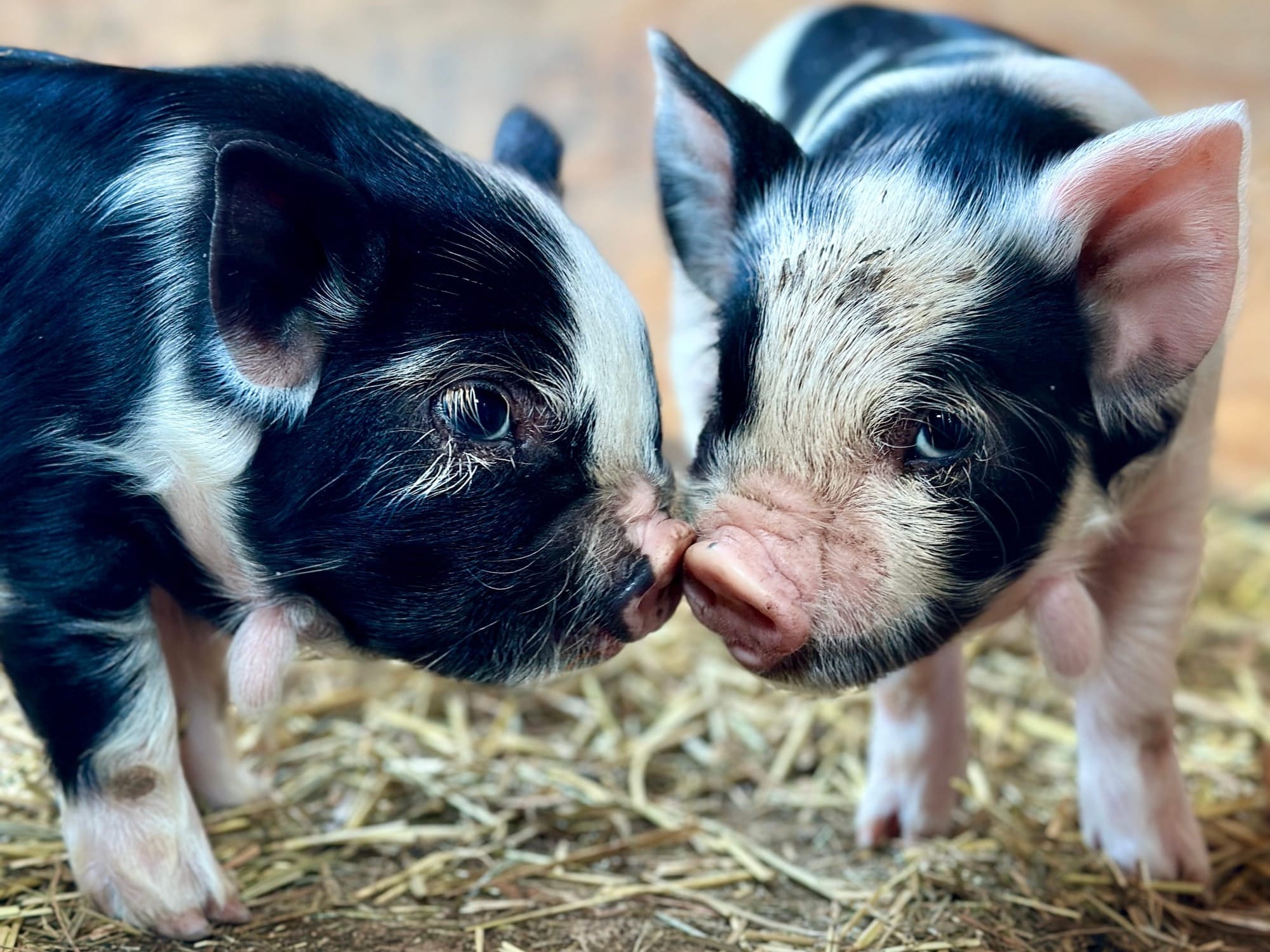
Congratulations! You've done your research, found a reputable breeder, and you're about to bring home your first KuneKune pig. Whether you're adding a pair of pets to your backyard or starting a small breeding program, the first month sets the foundation for your pig's health, happiness, and trust in you. Here's what to expect and how to set yourself up for success.
Before They Arrive: Preparation Checklist
The work begins before your pig ever sets foot on your property. Taking time to prepare properly will make the transition smoother for both you and your new KuneKune.
Secure Fencing
KuneKunes are generally not escape artists, but a stressed pig in a new environment may test boundaries. We recommend one of two approaches: a combination of sturdy, permanent perimeter fencing with at least two strands of electric wire at snout level (approximately 6 and 12 inches off the ground) or using an entirely electric fencing, anything in the 10/24 range with primarily 2" spacing like Premier1's HogNet.
Make sure to walk your entire fence line and check for gaps, loose posts, or areas where a determined pig could push through. Remember: it's far easier to reinforce fencing before your pig arrives than to chase one down the road.
Shelter
Your KuneKune needs a dry, draft-free shelter with adequate bedding. This doesn't need to be elaborate. A three-sided shelter with a roof works well in many climates. The shelter should be large enough for your pig(s) to lie down comfortably and turn around. For bedding, we use straw, which provides insulation and gives pigs something to nest in. Avoid hay as primary bedding; while they'll eat it, it compacts quickly and doesn't provide the same insulation as straw.
Water and Feed Setup
Pigs are strong and will tip over lightweight containers. Invest in heavy rubber feed pans or secure your feeders to prevent them from being flipped. For water, we recommend automatic waterers or heavy troughs that can't be easily overturned. In Wisconsin winters, we use heated waterers to prevent freezing. Make sure water is always available. Pigs drink a surprising amount, especially lactating sows or pigs in hot weather.
Establish a Veterinary Relationship
Before your pig arrives, identify a veterinarian in your area who is comfortable treating pigs. Not all large animal vets have experience with KuneKunes, and it's better to establish this relationship now rather than scrambling during an emergency. Ask your breeder for recommendations – they may know vets in your region who work with heritage pigs.
Stock Your Medicine Cabinet
We recommend having a few essentials on hand: a digital thermometer (the cheap ones from the dollar store work fine), some kind of injectable antibiotic, needles, syringes, a slap-shot, and children's Tylenol for pain management. Having these basics ready means you can respond quickly if your new pig shows signs of illness or injury.
Day 1: Arrival and First Impressions
The Transport
Transport is stressful for pigs. Whether you're picking up your KuneKune or having them delivered, expect them to be anxious upon arrival. A dog crate or livestock trailer works well for transport. Line the bottom with straw for comfort and traction, and avoid feeding them a large meal right before travel to minimize carsickness.
Unloading
When you arrive home, back up to their enclosure if possible and let them walk directly into their new space. Don't chase or rush them. Open the crate, step back, and let them explore at their own pace. Some pigs will trot right out; others may take time to build up the courage. Patience here sets the tone for your relationship.
The First Few Hours
Once unloaded, give your pig space. Resist the urge to pet, hold, or fuss over them immediately. While keeping a watchful eye on them, let them explore their shelter, find the water, and settle in. You can sit quietly nearby so they get used to your presence, but don't force interaction. Offer a small amount of feed once they've had time to calm down. Eating is a sign they're starting to relax.
Week 1: Building Trust
The first week is all about establishing routine and building trust. Your pig is learning that you are the source of food, comfort, and safety.
Establish a Feeding Routine
KuneKunes thrive on consistency. Feed at the same times each day – we do morning and late afternoon. This predictability helps your pig feel secure and gives you regular opportunities for interaction. Use feeding time to talk to your pig, letting them associate your voice with good things.
Slow and Low
When approaching your new KuneKune, move slowly and stay low. Pigs are prey animals and a tall figure looming over them can be intimidating. Crouch or sit near them. Speak softly. Let them approach you rather than reaching for them. A pig that comes to you willingly is a pig that trusts you.
Watch for Signs of Stress or Illness
Monitor your pig closely during this first week. Healthy signs include good appetite, normal feces (firm but not hard), clear eyes, and increasing curiosity about their surroundings. Warning signs include refusing food for more than 24 hours, diarrhea, lethargy, coughing, or discharge from eyes or nose. If something seems off, take their temperature. A normal KuneKune temperature ranges from 101°F to 102.5°F. Anything above 103°F warrants a call to your vet.
Quarantine Considerations
If you have existing pigs, keep your new arrival separate for up to 30 days (ideally). This quarantine period protects your herd from any illness the new pig might be carrying, even if they appear healthy. Diseases can have incubation periods, and a pig that looks fine on arrival day may develop symptoms a week later. Use separate boots, clothes, and equipment when caring for quarantined pigs.
Weeks 2-3: Deepening the Bond
By now, your pig should be settling in. They know the routine, they're eating well, and they're starting to show their personality. This is when the real relationship-building begins.
Belly Rubs and Physical Contact
Once your pig is comfortable approaching you, you can start introducing touch. KuneKunes famously love belly rubs. It's one of the breed's most endearing traits! Start by scratching behind their ears or along their sides. When they flop over for a belly rub, you'll know you've earned their trust. This physical contact isn't just bonding; it also gets them used to being handled, which makes health checks, hoof trims, and vet visits much easier down the road.
Handling Practice
Start touching their feet, looking in their ears, and gently lifting their tail. These might seem like strange things to practice, but you're preparing for the day you need to trim hooves, check for ear mites, or take a temperature. A pig that's accustomed to being handled is far easier to care for than one that panics at every touch.
Introduce Treats Strategically
Treats are powerful training tools, but use them wisely. Our pigs love bananas, squash, and frozen coconut cream cubes in summer. Use treats to reward coming when called, standing calmly for handling, or entering a specific area. Be careful not to overdo it! KuneKunes are lard pigs and gain weight easily. Treats should supplement their diet, not replace proper nutrition.
Week 4: Assessing and Planning Ahead
By the end of the first month, you should have a good sense of your pig's personality, health status, and needs. This is a natural checkpoint to evaluate how things are going.
Health Check
Take stock of your pig's overall condition. Are they maintaining healthy weight? Is their coat in good condition? Are they active and curious? If you haven't already, now is a good time to schedule a wellness visit with your vet and discuss a vaccination and deworming schedule appropriate for your region and situation.
Pasture Assessment
Look at your pasture or yard. How is the grass holding up? KuneKunes are lighter on pastures than many pig breeds, but they still have an impact. If you're seeing bare patches or excessive rooting, consider rotational grazing or expanding their space. Planning ahead prevents overgrazing and keeps your land healthy.
Integration Planning
If you've been quarantining your new pig from existing animals, the 30-day mark is typically when you can begin introductions. Do this gradually. Start with fence-line contact where they can see and smell each other without physical interaction. Watch for signs of aggression and be prepared to separate them if needed. Most KuneKunes are social and integrate well, but every pig is an individual.
Common First-Month Mistakes
We've made our share of mistakes over the years and have learned from talking with other KuneKune owners. Here are some common pitfalls to avoid:
Overfeeding: New pig parents often want to spoil their pigs with food. KuneKunes are efficient grazers and don't need as much supplemental feed as you might think, especially if they have good pasture. Overfeeding leads to obesity, which causes joint problems and can complicate breeding.
Rushing the Relationship: It's tempting to pick up and cuddle your new pig, but forcing affection can backfire. Let trust develop naturally. A pig that chooses to seek you out is more bonded than one that tolerates being held.
Inadequate Fencing: Every escape story starts with "I thought the fence was good enough." Test your electric fence, check for gaps, and remember that a stressed pig will find weaknesses you didn't know existed.
Skipping Quarantine: If you have other pigs, quarantine should not be considered optional – it's essential biosecurity. Thirty days feels like a long time, but it's nothing compared to dealing with a disease outbreak in your entire herd.
No Vet Relationship: Don't wait for an emergency to find a vet. By then, you're panicked, your pig is sick, and you're cold-calling clinics hoping someone can help. Establish care before you need it.
Looking Ahead
The first 30 days are just the beginning. As you continue your journey with KuneKunes, you'll learn their individual quirks, preferences, and personalities. You'll develop routines that work for your farm and your pigs. You'll probably make some mistakes along the way – we certainly have – and you'll learn from them.
The most important thing is that you've taken the time to prepare, you're paying attention to your pig's needs, and you're building a relationship based on trust and routine. KuneKunes are remarkable animals: friendly, intelligent, and genuinely enjoyable to raise. Give them the care they deserve, and they'll reward you many times over.
If you have questions as you navigate this first month, don't hesitate to reach out to your breeder. A good breeder wants to see their pigs thrive and is happy to offer guidance. There are also great, free resources available from the AKKPS and EKPA.
Have questions? Drop them in the comments!